
Tissue Regeneration and Repair
-

In the Lab The Anantharam lab research focuses on neurodegenerative diseases and neurotoxicology, specifically, mitochondrial dysfunction, oxidative stress, protein aggregation, neuroinflammation and apoptosis in neurotoxicity models of Parkinson’s and prion diseases. Dr. Anantharam’s primary focus is translational research, and has extensive experience with the science of developing neuroprotective drugs and testing their efficacy in both…
-

In the Lab Reproductive challenges in both human and livestock populations are of significant concern and are often a direct result of abnormal germ cell (oocyte and sperm) development. Aberrant germ cell development significantly affects human fertility, is the leading cause of early pregnancy loss and results in birth defects such as Down’s syndrome and…
-

In the Lab The Barany lab seeks to understand the behavioral and neural mechanisms of goal-directed movement. They combine behavioral, neuroimaging, and neurostimulation methods to investigate how brain flexibly transforms goals into motor-specific representations to guide action. The long-term goal of the Barany research team is to establish a mechanistic framework rooted in basic human…
-

Stice Bio Dr. Steve Stice is a University of Georgia, DW Brooks Distinguished Professor and Director of the Regenerative Bioscience Center, who holds a Georgia Research Alliance Eminent Scholar endowed chair, and is CSO of Aruna Biomedical Inc. He has over 35 years of research and development experience in biotechnology and is a co-founder of…
-

In the Lab After injury, an organism must mount a series of responses to minimize and — if possible — repair damage. Some organisms regenerate poorly, while others (including humans) regenerate to differing degrees depending on the tissue that is damaged. Rarely, organisms possess the ability to repair or regenerate any missing tissue. Organisms with…
-
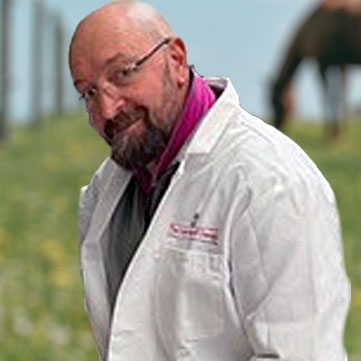
In the Lab Research in the Peroni laboratory focuses on the use of regenerative therapies ranging from cellular to blood derived products to treat musculoskeletal injuries, with a concentration on minimally invasive surgery such as laparoscopy, thoracoscopy and arthroscopy. Research project: Working with a sheep model, collaborators from Georgia Tech and the members of the…
-

In the Lab According to the CDC, chronic diseases such as cardiovascular disease and cancer account for seven of the 10 leading causes of death in the U.S. Advanced age is a common and significant risk factor for chronic diseases, and as the population rapidly ages in the coming decades, the prevalence of those diseases…
-

In the Lab The Mortensen Lab is interested in using engineering approaches to solve important biological problems where canonical techniques and methods of thinking have failed. This requires a multidisciplinary mindset to draw together microscopy, engineering, systems level biology, and regenerative medicine. Specifically, our research uses multiphoton microscopy to enable the design of next generation…
-

In the Lab Dr. Kanthasamy’s research program has been at the forefront in unraveling the cell signaling mechanisms underlying key pathophysiological processes of PD, including mitochondrial dysfunction, oxidative stress, dopaminergic therapy, aSyn protein aggregation, gut microbiota dysbiosis, exosome trafficking, neuroinflammation, and apoptosis. Furthermore he and his team recently adopted a highly sensitive RT-QuIC assay to…
-

Ph.D., Beijing Medical University (currently Peking University) M.Sc., Henan Medical University (currently Zhengzhou University) M.D., Henan Medical University (currently Zhengzhou University) In the Lab The sense of taste informs our nutritive choices, which are essential for life and quality of life. In mammals, taste bud cells in lingual taste papillae transduce chemical stimuli into neural…